

 By
By Introduction
Moving to a big city for work or study is common all over the world. In Japan, there’s a special word for this: jyokyo. This term refers to the act of leaving one’s hometown and moving to Tokyo, the nation’s capital. But it means more than just a move. It’s a cultural journey that reflects ambition, identity, and deep social values rooted in Japanese history.
Whether you’re curious about Japanese traditions, planning a visit, or studying modern culture, understanding it offers a unique look into Japan’s heart. This article will guide you through the term’s origins, its rise in post-war society, and how it continues to shape young people’s dreams in today’s Japan.
Fun Fact: Nearly one in ten Japanese lives in Tokyo, and most of them have moved from rural towns through the act of ‘jyokyo’.
What Does Jyokyo Mean?
Jyokyo (上京) is a Japanese word made up of two kanji characters:
- 上 (jou), meaning “up” or “to go up”
- 京 (kyo) meaning “capital,” which refers to Tokyo in today’s context
Together, It implies “going up to the capital,” usually Tokyo. It’s not just about direction; it also carries a cultural value. In Japan, moving to Tokyo is seen as a big step, full of hope, challenges, and change.
Important Insight:
- In older times, “jyokyo” referred to moving to Kyoto, which used to be Japan’s capital. As Tokyo became the center of politics and economy, the term shifted focus.
The Roots of It in Japanese History
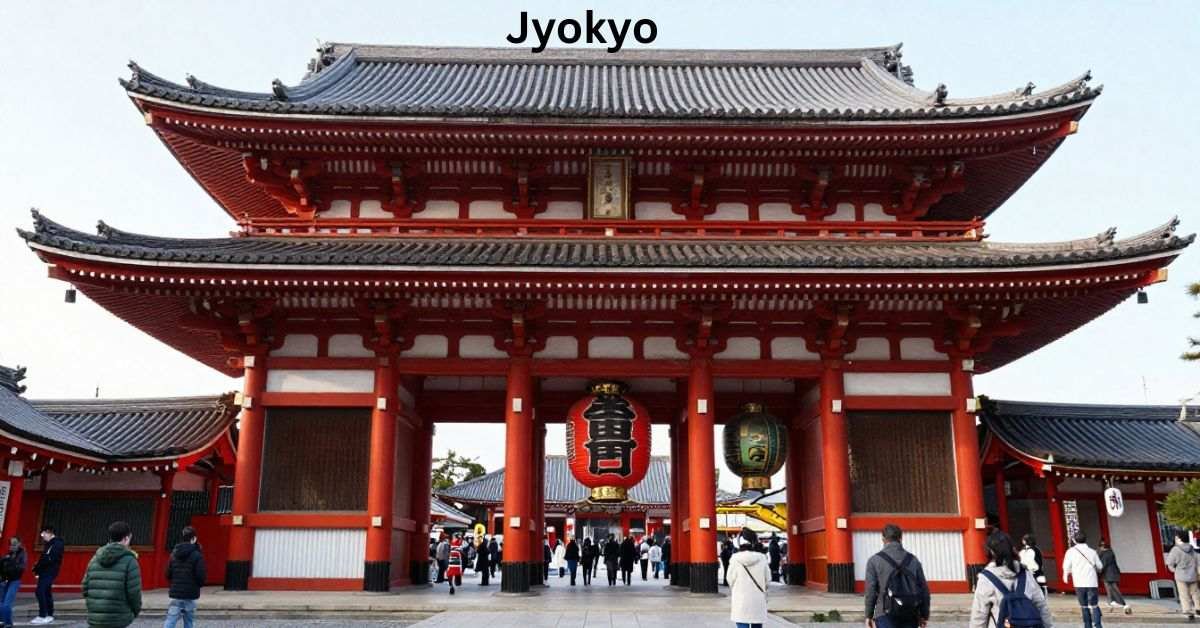
It began long before modern cities formed. In Japan’s feudal period, people saw the capital as sacred, where the Emperor lived, where culture thrived, and where real change happened.
- In the Edo Period (1603–1868), only samurai or high-ranking officials moved to Tokyo (then Edo).
- • The Meiji Era (1868–1912) shifted this, and Tokyo became the new national center.
- After this, common people began to dream of success there.
Historical Milestones Important to It
| Period | Capital | Jyokyo Directed To |
| Heian Period | Kyoto | Kyoto |
| Meiji Period | Tokyo (from 1868) | Tokyo |
| Post-War Era | Tokyo | Urban Tokyo |
Why Moving to the Capital Is a Big Deal in Japan
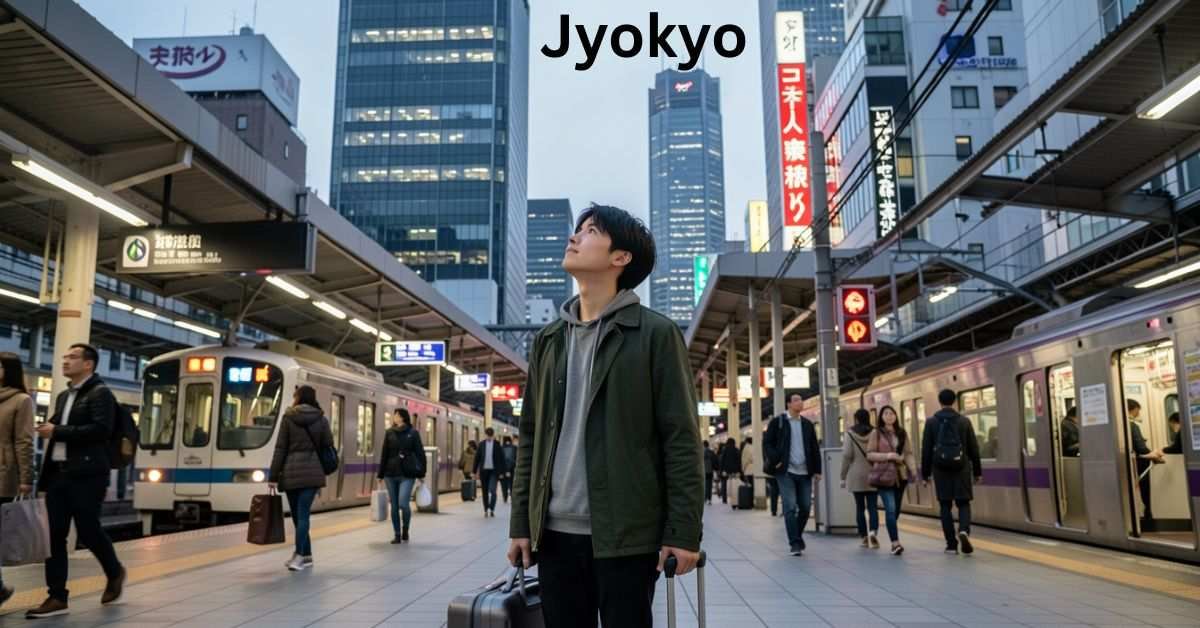
In the U.S., people move to New York or Los Angeles to “make it.” In Japan, It means something similarly iconic. It’s not just geography; it signals a shift in identity and future dreams.
Reasons Why It Matters:
- Education: Top universities are in Tokyo.
- Jobs: It’s the center of business, media, and government.
- Freedom: Rural traditions are strong; the capital offers personal space.
- Modern Lifestyle: Cafes, subways, pop culture, creativity.
But it’s not a move anyone takes lightly. “Jyokyo suru” (to perform jyokyo) is often a topic of major family discussions.
Post-World War II Japan: A Rise in Jyokyo
After WWII, Japan rapidly urbanized. The economy boomed in the 1950s-70s, and Tokyo became the business heart of Asia. By 1970, Tokyo’s population had grown to over 11 million, many of them from smaller rural towns.
As people flooded in, It became both a rite of passage and a new class divide. The rural vs. urban identity tension grew, often expressed in literature and film.
Books/Films Inspired by It:
- Tokyo Monogatari (Tokyo Story) (1953)
- Train Man (Densha Otoko): An ordinary man finds love in Tokyo’s chaos.
- Your Name (2016): Explores city vs. countryside dreams
Jyokyo and the Japanese Dream
You might compare it to the “American Dream.” For many young Japanese, Tokyo appears to be synonymous with success. That dream includes:
- Getting into a university like the University of Tokyo
- Landing a job at Mitsubishi or Sony
- Living in neighborhoods like Shibuya or Roppongi
Yet, for some, It’s dream can be unrealistic. High cost of living, long commutes, and social pressure can hit hard.
Real Case Studies:
- A university student from Niigata recalls sleeping in internet cafés due to housing shortages.
- A Hokkaido farm girl worked three jobs in Tokyo but said she “never felt at home.”
Tokyo in Popular Culture: Glorifying It
From anime to J-pop, Japanese pop culture heavily promotes Tokyo life. It is often shown as emotional, wild, and romantic, especially for teens and 20-somethings.
Common Themes in Media:
- Finding love after jyokyo
- Changing your life in the big city
- Missing the comforts of your hometown
This culture mix influences global views of Tokyo, making it one of the most romanticized cities in the world.
The Emotional Cost of It
It may be exciting, but it also comes with emotional costs. Leaving home creates feelings of:
- Loneliness
- Failure if you return home
- Pressure to “make it”
Many young people struggle in apartments the size of closets while juggling jobs and school. Mental health experts in Japan warn about “Tokyo fatigue,” especially among first-generation movers.
Modern Trends: Is It Slowing Down?
Since the 2020s, some trends suggest it may be changing. More people now value rural living, slower lifestyles, and work-from-home options.
Trends Affecting It in 2026:
- Remote work means jobs no longer require moving to Tokyo.
- Telecommuting has led to a “U-turn” (moving back home) trend.
- Covid-era reflections made family closeness more important.
Jyokyo vs Reverse Migration
| Factor | Jyokyo | U-Turn Movement |
| Work Location Flex | Still limited | Growing Fast |
| Population Trend | Aging, slowing | Rising in youth |
| Lifestyle Value | Fast-paced | Quiet, nature-linked |
Comparing It in the Past vs Now
Looking back, the status of moving to Tokyo has changed:
| Element | Past Jyokyo (1950s–80s) | Modern Jyokyo |
| Motives | Economy, university | Choice, identity |
| Social Perception | Heroic, ambitious | Mixed, stressful |
| Living Standards | Hard but hopeful | Expensive and crowded |
| Return Rate | Low | Now increasing |
How It Shapes Japanese Identity
It shapes how people see themselves. A person from Osaka who moved to Tokyo for college may forever feel caught between two “selves.” Did they “betray” their hometown? Or did they grow? It’s a complex emotional and social shift.
Cultural Impacts:
- Creates long-distance family ties
- Strengthens pride in local identity
- Influences dialect, habits, and food preferences
In Japanese literature, characters who are jyokyo often struggle to “belong,” teaching readers about empathy, ambition, and roots.
FAQs
What does it mean in Japanese?
“Jyokyo” (上京) means moving to the capital city, usually Tokyo.
Is It only about Tokyo?
Yes, in modern terms, It always refers to moving to Tokyo, not other cities.
Do people still do jyokyo in Japan today?
Yes, but the numbers are slowly decreasing due to remote work options.
Is It viewed positively in Japan?
Mixing it shows ambition but also pressure and emotional cost.
Can foreigners experience it too?
Culturally speaking, yes. Many international students or workers moving to Tokyo relate to it.
Conclusion
Jyokyo is more than a move; it’s a deep cultural moment in a person’s life. It has roots in history and emotional value and shows Japan’s relationship with tradition and progress. Whether you’re studying cultural trends or simply fascinated by Japanese life, It provides a window into real human stories.
As Japan evolves, so does the meaning of this journey. In 2026, It is no longer the only path to success, but it still carries deep meaning. Whether it’s ambition, identity, or a leap of faith, it’s a move that shapes lives.