

 By
By Introduction
In the fast-paced world of wellness trends, the carnivore diet suddenly stands out for its extreme simplicity and controversy. Imagine eating only meat, eggs, and animal fats every day. No fruits, no vegetables, no grains. Sounds strict? That’s the idea.
This animal-based diet has gained traction in the USA in 2026 with promises of weight loss, improved mental focus, and fewer digestive problems. But critics warn of nutritional gaps, cholesterol issues, and long-term health risks. With so much debate, the real question is, does the carnivore diet work, and is it safe for your health in 2026?
In this article, we break down the science, expert opinions, pros and cons, and what you need to know if you’re considering putting your steak on the plate and leaving everything else behind.
What is the Carnivore Diet?
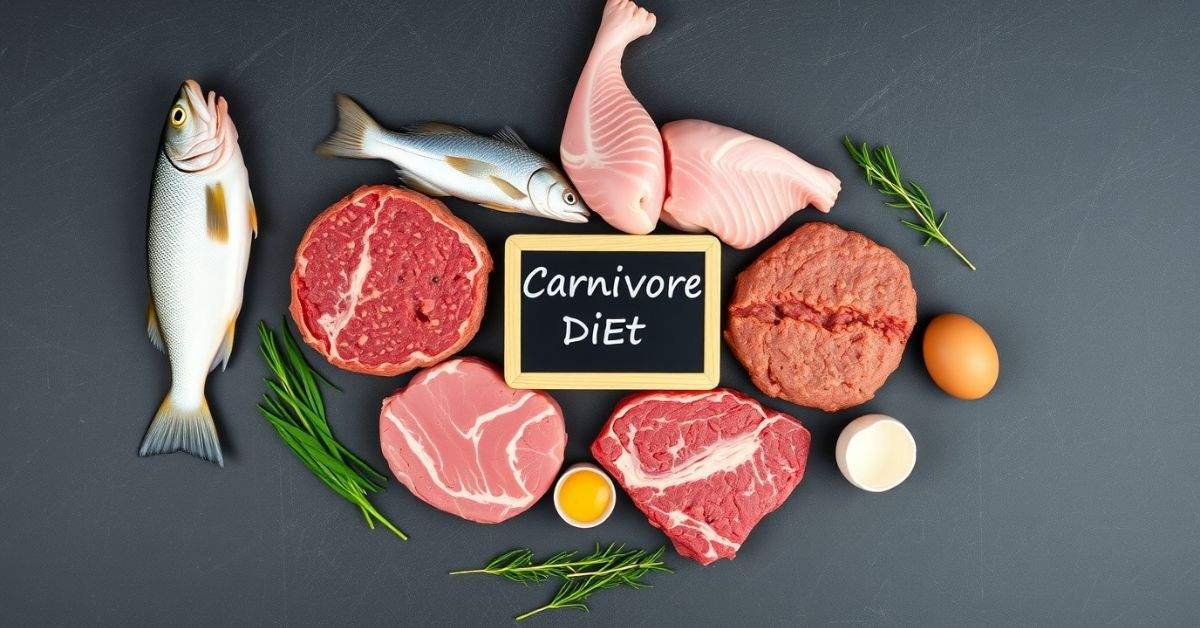
The carnivore diet is a zero-carb eating plan that includes only animal-based foods, such as meat, fish, eggs, and some animal fats. It completely removes all plant-based items, no vegetables, fruits, grains, legumes, seeds, or nuts.
Core Foods Allowed
- Beef, pork, lamb, chicken, turkey
- Fish and shellfish
- Eggs
- Bone marrow and organ meats
- Lard, tallow, butter, and ghee
This diet is largely based on the belief that our ancestors thrived on animal products and that modern diseases are linked to plant toxins and processed carbs.
Popular Variations:
- Strict carnivore: Only muscle meat and water.
- Liberal carnivore: Includes eggs, dairy, or fish.
- Lion diet: The strictest, just ruminant meat, salt, and water.
Why People Are Trying the Carnivore Diet in 2026
Today’s American consumers are more health-aware than ever. Many turn to restrictive diets to solve chronic issues. The carnivore diet attracts folks looking to:
- Lose stubborn weight
- Heal digestive issues
- Improve mental clarity
- Reduce inflammation
- Manage autoimmune conditions
Influencers and celebrities who share their transformations on social media have intensified the debate. Some claim it’s life-changing. Others caution that it’s not backed by long-term studies.
Potential Benefits Backed by Early Science
Despite the limited large-scale research, emerging data and anecdotal reports reveal potential benefits of an animal-based diet.
Weight Loss
- This diet is high in protein, which promotes satiety and reduces cravings.
- The low insulin response is a result of the absence of carbohydrates.
- Simple food choices reduce overeating.
Anti-Inflammatory Effects
- This approach eliminates common irritants such as gluten, refined sugar, and seed oils.
- There have been reported improvements in autoimmune conditions and joint pain.
Improved Mental Clarity
- Some users report better focus and fewer mood swings.
- They experience consistent energy from fat and ketones.
Better Digestion for Some
- Those with IBS or food sensitivities experience fewer symptoms.
- No fiber equals less bloating, though this is debated.
However, not everyone has the same results, and clinical backing is still ongoing.
Health Risks and Concerns From Experts

While there are success stories, health experts raise valid concerns about possible dangers from cutting out all plant foods.
Nutritional Deficiencies
- Missing nutrients: Vitamin C, fiber, magnesium, potassium.
- This can lead to a long-term risk of scurvy or poor gut health.
Heart Health Questions
- High intake of saturated fat may impact cholesterol.
- Risk for heart disease varies by individual genetics.
Increased Cancer Risk?
According to the American Institute for Cancer Research, high consumption of red and processed meats is linked to higher risks of colorectal cancer. Most studies support a balanced approach, not extremes.
| Potential Benefit | Potential Risk |
| Weight loss with reduced cravings | Heart disease due to high saturated fat |
| Improved gut health (for some) | Constipation or poor gut microbiome diversity |
| Mental clarity and energy boost | Nutrient deficiency with long-term use |
| Simple diet and meal planning | Lack of variety, reduced food enjoyment |
Differences between carnivore, keto, and paleo?
These three diets are often confused. Here’s how they compare:
| Diet | What You Can Eat | Main Goal |
| Carnivore | Only animal-based foods | Eliminate all plant toxins |
| Keto | Low-carb, moderate protein, high fat | Enter ketosis for fat burning |
| Paleo | Whole foods, no dairy, grains, or legumes | Mimic ancestral eating |
Note: While carnivore is a stricter form of keto, it cuts out the very vegetables keto encourages.
What Do Doctors and Nutritionists Say?
Most registered dietitians agree: short-term use of this diet may help specific conditions, but it is not recommended as a lifelong eating pattern.
Integrative nutritionist Dr. Karen Marsh, RD, of New York, adds, “You’re missing out on antioxidants, fiber, and phytonutrients, all of which are essential for long-term health and disease prevention.”
Many experts suggest it should be guided by a professional, especially for people with chronic illnesses or heart risk factors.
Who Should Avoid the Carnivore Diet?
Even with visible results, this way of eating is not for everyone.
Carnivore diet is not ideal for:
- People with kidney issues (high protein load)
- Pregnant or breastfeeding women
- Those with a disordered eating history
- Anyone with high cardiovascular risk
Before starting, it’s essential to consult your doctor, especially if you’re on medication or have pre-existing conditions.
How to Start Safely (If You’re Curious)
If you want to try this diet for 30 days, follow these safe-start tips:
- Start with variety: Include fatty beef, liver, eggs, and fish.
- Stay hydrated: Add electrolytes like salt, potassium, and magnesium.
- Expect adjustments: You may feel low energy during the first week.
- Track your labs: Monitor cholesterol, iron, and vitamin levels with your doctor.
Listen to your body, and treat it like an experiment, not a permanent commitment.
Success Stories: Real People, Real Results
In 2026, many Americans have shared stories on Reddit, YouTube, and health communities.
- Mark, 42, from Texas: Lost 28 lbs in 3 months, says mental fog disappeared.
- Jenny, 35, from Florida: Claims her eczema cleared after years of trying creams.
- Tom, 50, from California: Warns that he saw higher LDL cholesterol levels after fully switching to a meat-based diet.
These stories show real human experience, but everyone responds differently. What is good for one body may be bad for another.
The Role of the Carnivore Diet in 2026’s Health Trends
As ultra-processed foods continue to be a growing concern in America, more people are choosing diets that simplify eating. The carnivore diet reflects a shift toward more ancestral, whole food-based, and elimination-style eating habits.
Still, sustainability and long-term evidence remain big concerns. Experts are watching closely as more research emerges about the gut microbiome, heart disease markers, and how this diet impacts metabolism.
FAQs
Is it okay to eat dairy on the carnivore diet?
Some versions allow butter and cheese, but purists avoid it.
Will I get scurvy without vitamin C?
Short-term is likely fine; organ meats contain small amounts of vitamin C.
Is this approach the same as a keto diet?
No. Carnivore removes all plants; keto allows low-carb vegetables.
Can I work out on this diet?
Yes, but you may need adaptation time as your energy source changes.
How long should I follow the diet?
Experts recommend only short-term use unless under medical supervision.
Conclusion
The carnivore diet is one of the most radical shifts in nutrition. For some, it delivers results when nothing else has worked. For others, it may trigger health concerns over time. In 2026, it reflects a bigger movement toward food simplicity, self-experimentation, and natural healing.
Ultimately, there is no universally applicable diet. If you’re considering going all-meat, talk to a registered dietitian or healthcare provider. Test, track, and listen to how your body responds.