

 By
By Introduction
When your heating or cooling system suddenly stops working, it can quickly turn into a big problem. Your home may feel uncomfortable, and if you run a business, it can affect employees and customers. That’s why understanding heat pump repair is so important in 2026. These systems are designed to be energy-efficient and reliable, but like any machine, they can develop issues over time. Strange noises, weak airflow, or rising energy bills are often early warning signs that something is wrong. The good news is that many problems are easy to spot and sometimes simple to fix.
In this guide, you’ll learn how heat pumps work, what common problems look like, when you can handle small fixes yourself, and when it’s best to call a professional. With the right knowledge, you can save money, reduce stress, and keep your space comfortable all year round.
How a Heat Pump Works
Before you understand heat pump repair, it helps to know how the system works. A heat pump does not make heat. It transfers heat from one area to another. In the winter, it draws heat from the air outside and brings it inside. In summer, it pushes heat outside to cool your space.
Main parts include:
- Outdoor unit
- Indoor air handler
- Compressor
- Refrigerant lines
- Thermostat
In 2026, most systems will use inverter technology. This allows them to run at different speeds instead of turning on and off all the time. This saves energy and makes things last longer. When one of these parts fails, you may need professional service. But sometimes, the fix is simple.
Common Signs You Need Heat Pump Repair
Most systems give warning signs before they stop working. Here are common symptoms:
- No heating or cooling
- Weak airflow
- Strange noises
- Ice on the outdoor unit
- Higher energy bills
If your electric bill suddenly rises, your system may be working harder than normal. That often means a problem inside the unit. Catching these signs early makes heat pump repair easier and less expensive.
Quick DIY Fixes You Can Try First
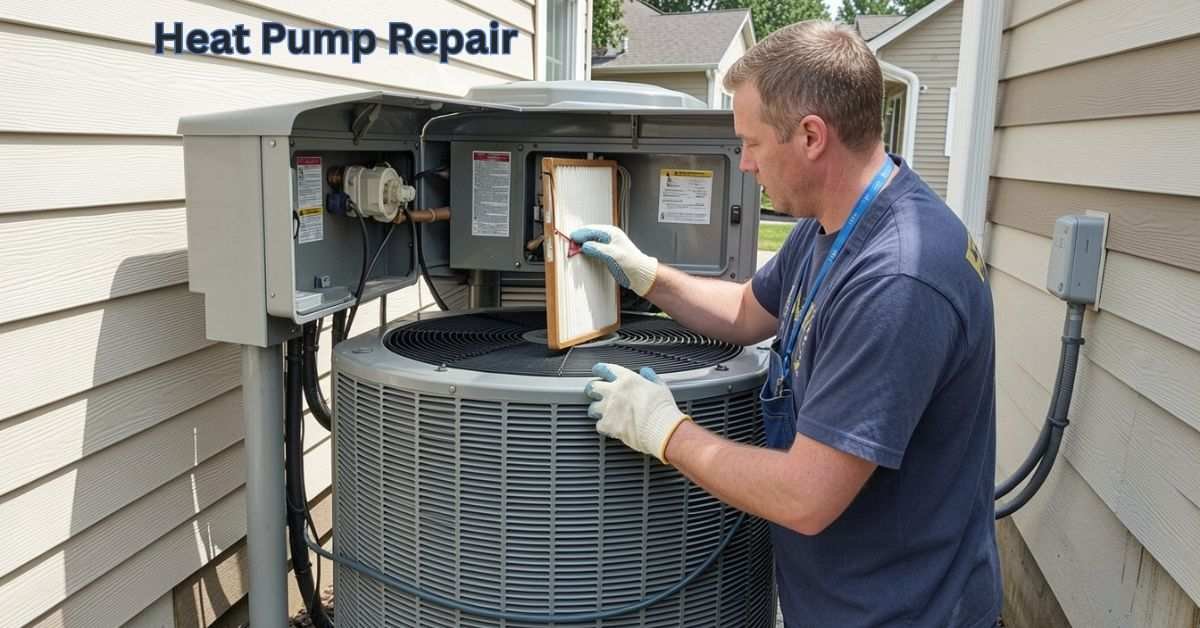
Not every problem needs a technician. Some issues are simple.
- First, check your thermostat. Make sure it is set to the correct mode and temperature.
- Next, inspect the air filter. A dirty filter blocks airflow and causes poor performance. Replace it every 2–3 months.
- Also, check your circuit breaker. Sometimes the system shuts off because of a power issue.
- Finally, clear leaves or dirt from around the outdoor unit. It needs space to breathe.
These small steps solve many minor service calls. But if the system still does not work, you may need expert help.
Most Common Heat Pump Problems in 2026
Technology has improved, but some issues are still common. Below is a helpful table that explains major problems and what they mean.
Common Problems and Solutions
| Problem | Possible Cause | Simple Fix | Call a Pro? |
| System not turning on | Thermostat or power issue | Check breaker | If still off |
| Ice buildup | Low refrigerant or airflow issue | Change filter | Yes |
| Loud grinding noise | Motor or compressor issue | No DIY fix | Yes |
| Short cycling | Sensor or electrical problem | Reset system | Yes |
| Weak airflow | Dirty filter or blocked vent | Clean filter | If persists |
Some problems, like refrigerant leaks or compressor failure, always require professional heat pump repair.
Average Heat Pump Repair Costs in 2026
Repair costs depend on the damaged part and system size. Here is a simple breakdown of average prices in 2026.
Average Repair Costs (2026)
| Repair Type | Estimated Cost |
| Thermostat replacement | $150 – $350 |
| Refrigerant recharge | $300 – $700 |
| Capacitor replacement | $200 – $450 |
| Reversing valve repair | $600 – $1,200 |
| Compressor replacement | $1,200 – $2,500 |
If the repair cost is more than half the price of a new system, replacement may be smarter. Always ask for a written estimate before approving any heat pump repair.
When to Call a Professional Immediately
Some problems are serious and should not wait. If you see any of the following, call a licensed HVAC technician:
- Burning smells
- Electrical sparks
- Refrigerant leaks
- Loud metal banging sounds
Handling refrigerant without certification is illegal in the U.S. in 2026. It can also damage your system and harm the environment. Professional technicians use special tools to test pressure, voltage, and airflow. This ensures safe and correct heat pump repair.
Residential vs Commercial System Repairs
Home systems and business systems are different. Commercial units are larger and run longer hours. This means more wear and tear. A business may lose money if the system fails during working hours.
Homeowners usually focus on comfort. Businesses focus on comfort and productivity. Commercial heat pump repair often costs more because of system size and labor time. That’s why many companies sign yearly maintenance contracts.
How to Prevent Future Breakdowns
Preventive care is the best way to avoid costly heat pump repair. Follow this simple schedule:
- Replace filters every 2–3 months
- Clean outdoor unit twice a year
- Schedule a professional inspection once a year
Regular maintenance can extend system life by 3–5 years, according to 2026 energy efficiency reports. Think of it like servicing your car. Small checkups prevent big problems.
Smart Technology and Modern Diagnostics
In 2026, many systems will connect to Wi-Fi. Smart thermostats can send alerts if something is wrong. Some advanced systems track performance data and warn you before failure happens. This is called predictive maintenance.
For businesses, this reduces downtime and emergency service calls. If your system is more than 10 years old, upgrading to a smart model may reduce future heat pump repair needs.
Choosing the Right HVAC Contractor
Not all technicians provide the same quality. When hiring someone, check:
- Proper state license
- EPA certification
- Insurance coverage
- Online reviews
- Written warranty
Ask how long they have worked with your type of system. Experience matters. A good contractor explains the issue clearly and gives honest pricing. Building a long-term relationship with a trusted HVAC company makes future heat pump repair easier and less stressful.
FAQs
How long does a typical repair take?
Most small repairs take 1–3 hours.
Why is my system blowing cold air in winter?
It may be in defrost mode or low on refrigerant.
How often should I service my unit?
At least once per year.
Can I repair a refrigerant leak myself?
No, only certified professionals can handle refrigerants.
How long do heat pumps last?
Most systems last 12–15 years with proper care.
Conclusion
Understanding heat pump repair helps you save money and avoid stress. Many small problems can be fixed by checking the thermostat, replacing filters, or cleaning the outdoor unit. But serious issues like refrigerant leaks or compressor failure need professional help.
In 2026, energy-efficient systems are more common than ever. Taking care of your unit protects your comfort and lowers your bills. Don’t delay if your system is displaying signs of trouble. Schedule a professional inspection today and keep your home or business running smoothly.