

 By
By Introduction
Have you ever found an old comic book, trading card, or vintage toy and wondered, “Is this worth money?”
In 2026, more people than ever are turning hobbies into income. The global market for rare items keeps growing as buyers search online for sports cards, watches, artwork, and nostalgic toys. Thanks to online auctions and global shipping, it is now easier to reach buyers anywhere in the world. But here’s the truth: selling collectibles is not just about listing an item and waiting. You must understand value, condition, pricing, and where to sell. If you skip these steps, you could lose money.
This guide explains everything in clear, simple language. You will learn what items are in demand, how to prepare them for appraisal, how auctions work, and how to avoid common mistakes. Whether you are cleaning out your attic or starting a small business, this article will help you make smart decisions in 2026.
Why Selling Collectibles Is Growing in 2026
The collectibles market has changed a lot. In the past, people mostly sold through local shops or trade shows. Today, buyers use online platforms to compare prices and bid from around the world. Three main reasons explain the growth:
- First, nostalgia is powerful. Many adults now want the toys, cards, and games they loved as children.
- Second, some investors see rare items as alternative assets. They want something physical instead of stocks.
- Third, online tools make research easier. You can quickly check recent sales and see real market prices.
Because of this, selling collectibles has become more competitive. Buyers expect clear photos, honest descriptions, and proof of authenticity. If you prepare well, you can stand out.
Top Collectibles That Sell Well Worldwide
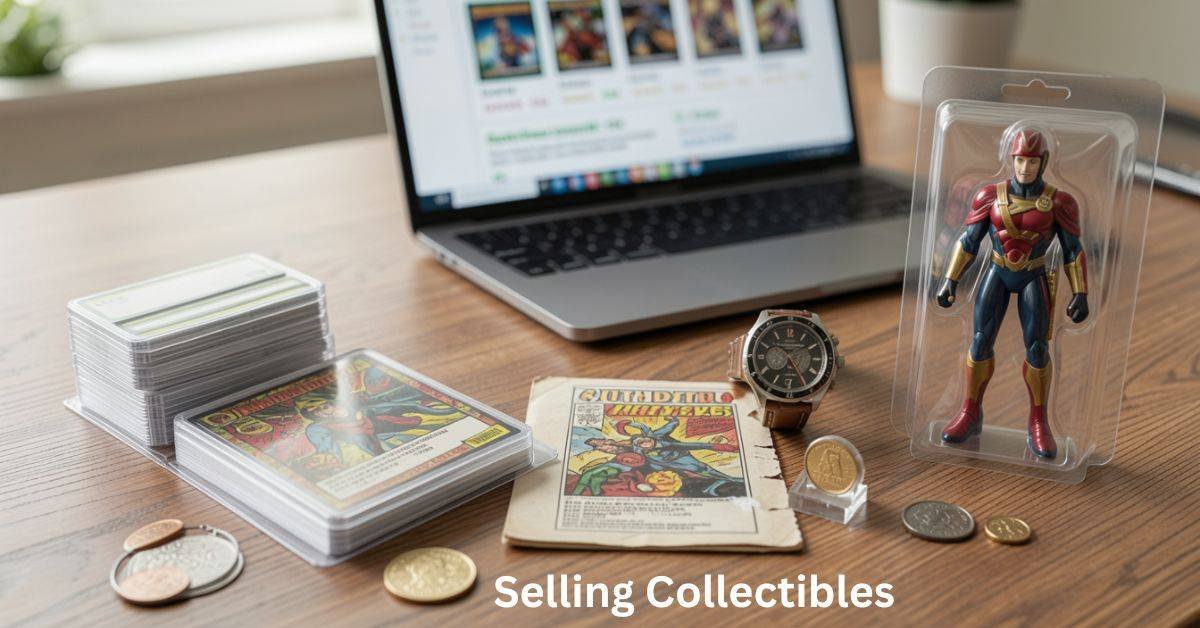
Not every old item is valuable. Demand depends on rarity, brand, and condition. Below are categories that perform strongly in 2026.
Popular Collectibles in 2026
| Category | Examples | Why Buyers Want Them |
| Trading Cards | Pokémon, NBA, soccer cards | Limited supply, grading value |
| Comic Books | Marvel, DC first editions | Nostalgia and rarity |
| Luxury Watches | Rolex, Omega | Long-term value and brand trust |
| Fine Art | Modern and contemporary artists | Investment demand |
| Vintage Toys | 1980s–1990s sealed items | Childhood memories |
| Rare Coins | Limited mint editions | Precious metal value |
If you are new to selling collectibles, start by checking recent completed sales online. Look at what buyers actually paid, not just the listed price.
What Makes a Collectible Valuable?
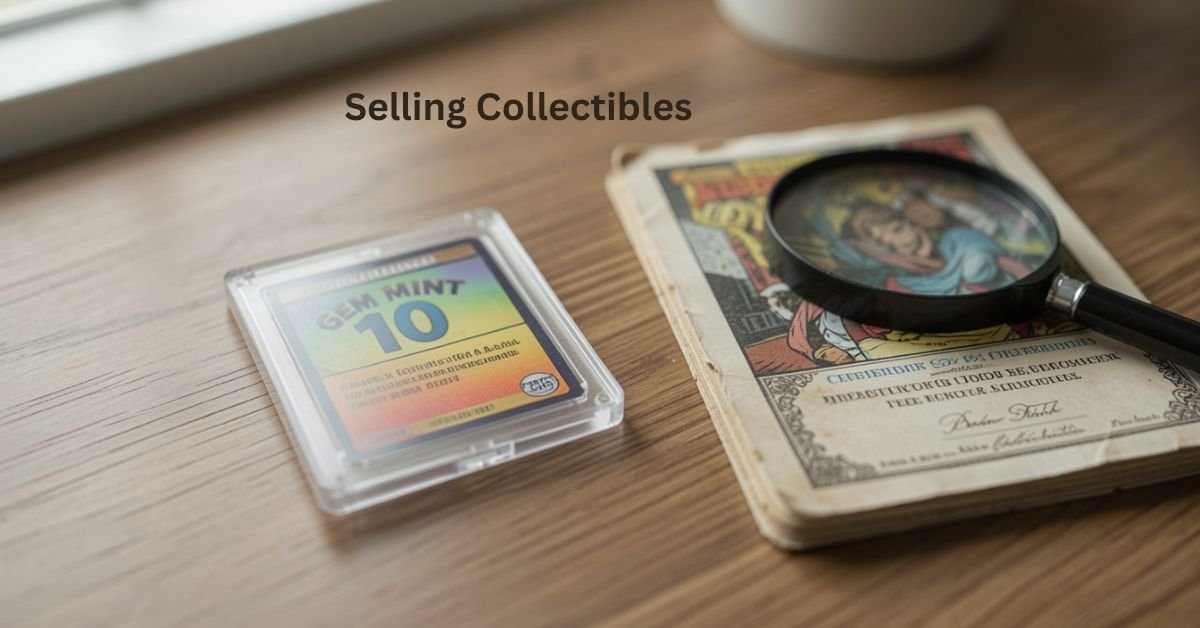
Many people think age alone creates value. That is not true. Three main factors decide price. Rarity means how many exist. If only a few were made, the price may rise. Condition means how well the item is preserved. Small damage can reduce value quickly. Provenance means proof of ownership or history. Signed items or documented pieces often sell for more.
For example, a mint-condition sports card graded 10 can sell for much more than the same card with scratches. When selling collectibles, always be honest about flaws. Clear photos help buyers trust you.
How to Prepare Items for Appraisal
Before you meet an appraiser or list your item online, take time to prepare it correctly.
- First, clean gently. Do not over-clean or repair antiques. Bad restoration can reduce value.
- Second, gather documents like receipts, certificates, or original packaging.
- Third, take high-quality photos in good lighting. Show the front, back, and close-ups of details.
Professional appraisals are helpful for high-value items. They give you a written estimate and help with insurance. When selling collectibles that may be worth hundreds or thousands of dollars, an appraisal can protect you from underpricing.
Consignment vs Selling It Yourself
You have two common options: consignment or direct sale. Consignment means a dealer or auction house sells the item for you and takes a percentage. Selling it yourself means listing it online or finding a buyer directly.
Consignment vs Direct Sale
| Feature | Consignment | Direct Sale Online |
| Effort Required | Low | Medium to High |
| Seller Fees | 20–40% | 5–15% platform fees |
| Control Over Price | Limited | Full control |
| Best For | High-value rare items | Mid-range collectibles |
If you are selling collectibles that are rare or very expensive, consignment may attract serious buyers. If your items are common but in demand, selling online yourself may give you more profit.
How Online Auctions Work in 2026
Online auctions are popular because they create competition. When two buyers want the same item, the price can rise quickly.
To succeed:
- Start with a fair opening price. Too high may scare buyers away.
- Use clear, bright photos. Poor images lower trust.
- Write simple and honest descriptions. Include brand, year, condition, and any damage.
Timing also matters. Many sellers list items in the evening when more people are online. When selling collectibles through auctions, watch similar listings to learn what works.
Smart Pricing Tips for Beginners
Pricing is one of the hardest parts. Many people overprice because they feel emotional attachment. Instead, follow this method:
- Search for at least five recently sold items similar to yours.
- Compare conditions carefully.
- Adjust for fees and shipping costs.
If you want a faster sale, price slightly below market average. If the item is rare, you may try the auction format instead of a fixed price. Remember, selling collectibles successfully means balancing speed and profit.
Why Authentication and Grading Matter
In 2026, buyers worry about fakes. Counterfeit cards, watches, and handbags are common. Professional grading companies check conditions and confirm authenticity. A graded item often sells faster because buyers feel safe.
For example, graded trading cards usually attract higher bids. Luxury watches with certificates also sell more easily. If your item might be worth more than $500, authentication is often a wise investment. When selling collectibles in competitive categories, proof of authenticity builds trust.
Packing and Shipping Without Damage
Shipping mistakes can ruin a sale. Always protect items carefully.
- Use bubble wrap for fragile pieces.
- Use cardboard sleeves for cards and comics.
- Double-box expensive items.
Buy shipping insurance for valuable packages. Always add tracking numbers. When selling collectibles to international buyers, check customs rules and declare value honestly. Take photos before shipping. This protects you if damage happens during delivery.
Taxes and Legal Points to Know
Money earned from selling collectibles may be taxable, depending on your country. In the United States, profits may be subject to capital gains tax. Rules can change, so check official government websites in 2026.
Keep records of purchase price and sale price. This helps when reporting income. Also, avoid selling stolen goods or restricted cultural artifacts. Always describe items truthfully. Honest sellers build strong reputations and repeat customers.
Common Mistakes to Avoid
Many beginners make simple errors.
- Overpricing without research.
- Using blurry photos.
- Hiding damage details.
- Ignoring shipping protection.
Selling collectibles is easier when you stay patient and informed. Take time to research before listing.
FAQs
How do I know if my collectible is valuable?
Check recent sold listings online and compare conditions.
Is grading really necessary?
For higher-value items, grading increases trust and price.
What is the safest way to get paid?
Use trusted platforms with buyer and seller protection.
Should I repair damaged antiques?
No, repairs can lower value unless done by experts.
Is selling online better than local shops?
Online platforms usually reach more buyers and higher offers.
Conclusion
Selling collectibles in 2026 is easier than ever, but success comes from doing things the right way. It is not just about having an old or rare item. You need to understand its condition, check real market prices, and choose the best place to sell it. When you take time to prepare your item, take clear photos, and describe it honestly, buyers are more likely to trust you and pay a fair price.
Remember that research is your best tool. Look at recently sold items, not just asking prices. If your collectible is valuable, consider professional grading or appraisal to increase buyer confidence. Always pack items carefully and follow legal and tax rules in your country. Most importantly, be patient. The right buyer may take time, but careful planning often leads to better results. With the right knowledge and smart decisions, selling collectibles can turn your old treasures into real profit.